O Captain! My Captain! by Walt Whitman: Analysis and Interpretation
o captain! my captain!

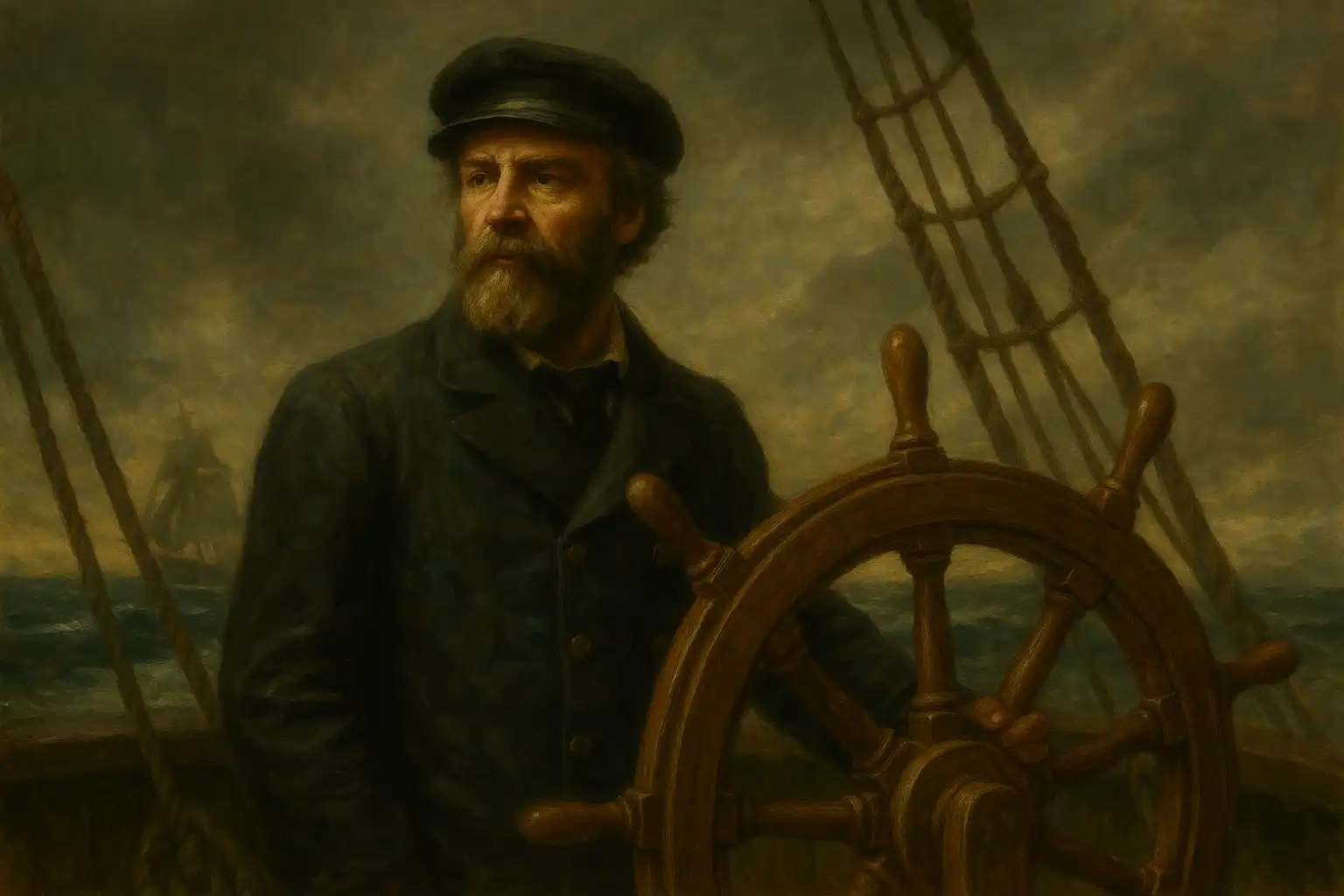
“O Captain! My Captain!” is probably Walt Whitman’s most famous poem, which is kind of ironic because it barely sounds like him. If you know Whitman from Leaves of Grass, you’re used to sprawling free verse and these massive catalogs of images. This poem? It’s tight, structured, and actually rhymes. He wrote it in 1865 … Read more

Song of Myself by Walt Whitman: Analysis and Interpretation

song of myself

“Song of Myself” is Whitman’s masterpiece, and that’s not an exaggeration. First published in 1855 as the opening poem of Leaves of Grass, it runs 52 sections and over 1,300 lines of Whitman celebrating himself, America, democracy, the body, the soul, and basically everything he can think of. It’s ambitious, sprawling, contradictory, brilliant, and occasionally … Read more

I Sing the Body Electric by Walt Whitman: Analysis and Interpretation

i sing the body electric

“I Sing the Body Electric” is Whitman at his boldest, and that’s saying something. First published in the 1855 edition of Leaves of Grass, this poem is basically Whitman standing up and yelling that the human body is sacred. Not metaphorically sacred. Actually sacred. In the 1850s, this was shocking. Most poetry tiptoed around the … Read more

I Hear America Singing by Walt Whitman: Analysis and Interpretation

i hear america singing

“I Hear America Singing” is one of Whitman’s shortest poems, but it packs his whole democratic vision into just eleven lines. First published in the 1860 edition of Leaves of Grass, it’s basically Whitman listing workers and saying they’re all singing. Not literally singing, obviously. The “song” represents pride, joy, individuality, the sense that every … Read more

When I Heard the Learn’d Astronomer by Walt Whitman: Analysis and Interpretation

when i heard the learn’d astronomer

“When I Heard the Learn’d Astronomer” is one of Whitman’s shortest poems, clocking in at just eight lines, but it captures a feeling a lot of people have had: that moment when facts and figures kill the wonder of something beautiful. Published in 1865, it’s about sitting through a lecture on astronomy, getting overwhelmed by … Read more

On the Beach at Night Alone by Walt Whitman: Analysis and Interpretation

on the beach at night alone

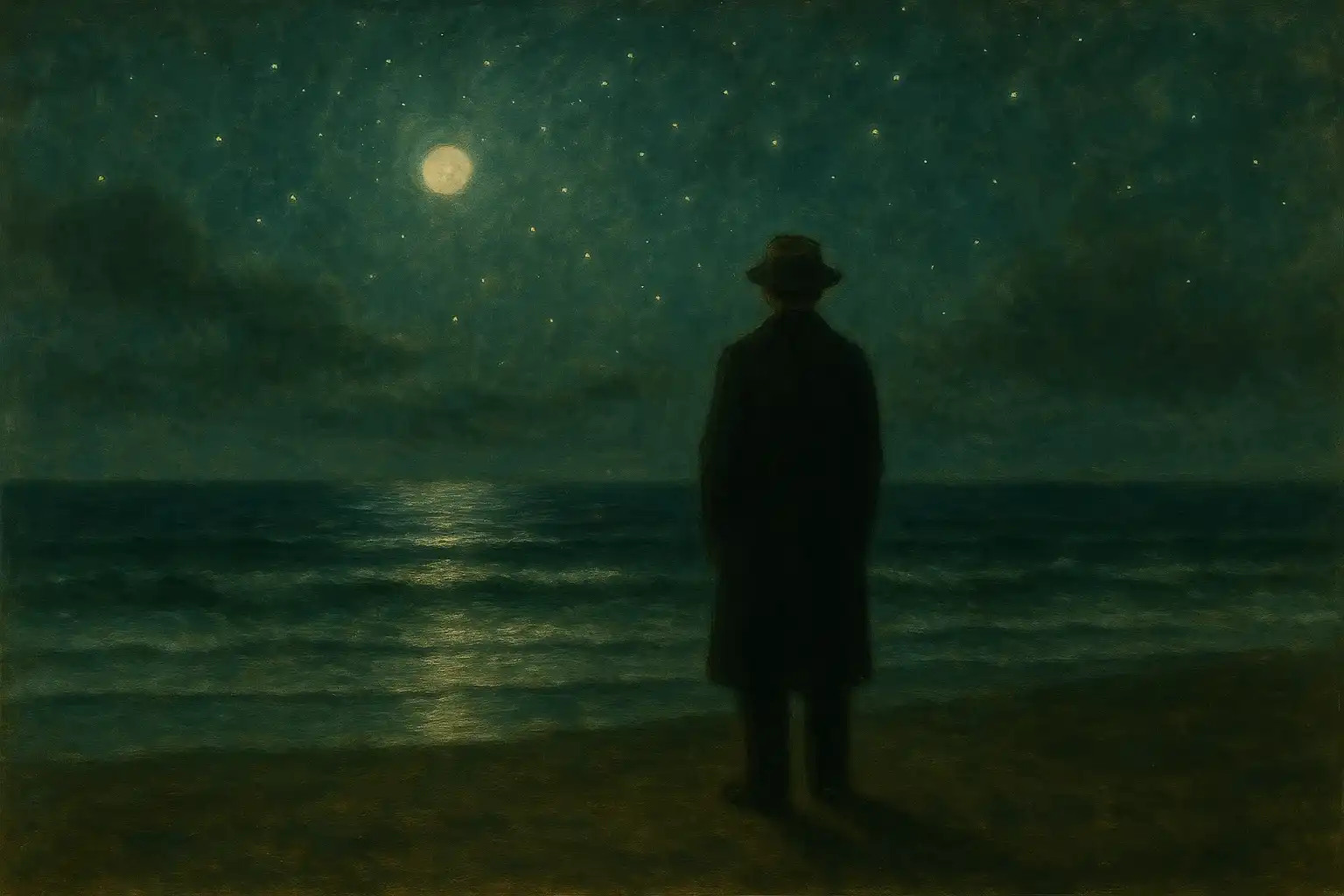
“On the Beach at Night Alone” showed up in the 1867 edition of Leaves of Grass, and it’s one of Whitman’s quieter poems. Not quiet as in boring, but quiet as in contemplative, almost meditative. The setup is straightforward enough: Whitman’s standing alone on a beach at night, listening to the waves, looking at the … Read more

When Lilacs Last in the Dooryard Bloom’d by Walt Whitman: Analysis and Interpretation

when lilacs last in the dooryard bloom’d

“When Lilacs Last in the Dooryard Bloom’d” is Whitman’s long elegy for Abraham Lincoln, though he never actually says Lincoln’s name. Written in 1865 right after the assassination, this poem processes grief through images from nature: spring lilacs, a falling star, the song of a thrush. Instead of writing a traditional eulogy full of praise … Read more

Crossing Brooklyn Ferry by Walt Whitman: Analysis and Interpretation

crossing brooklyn ferry

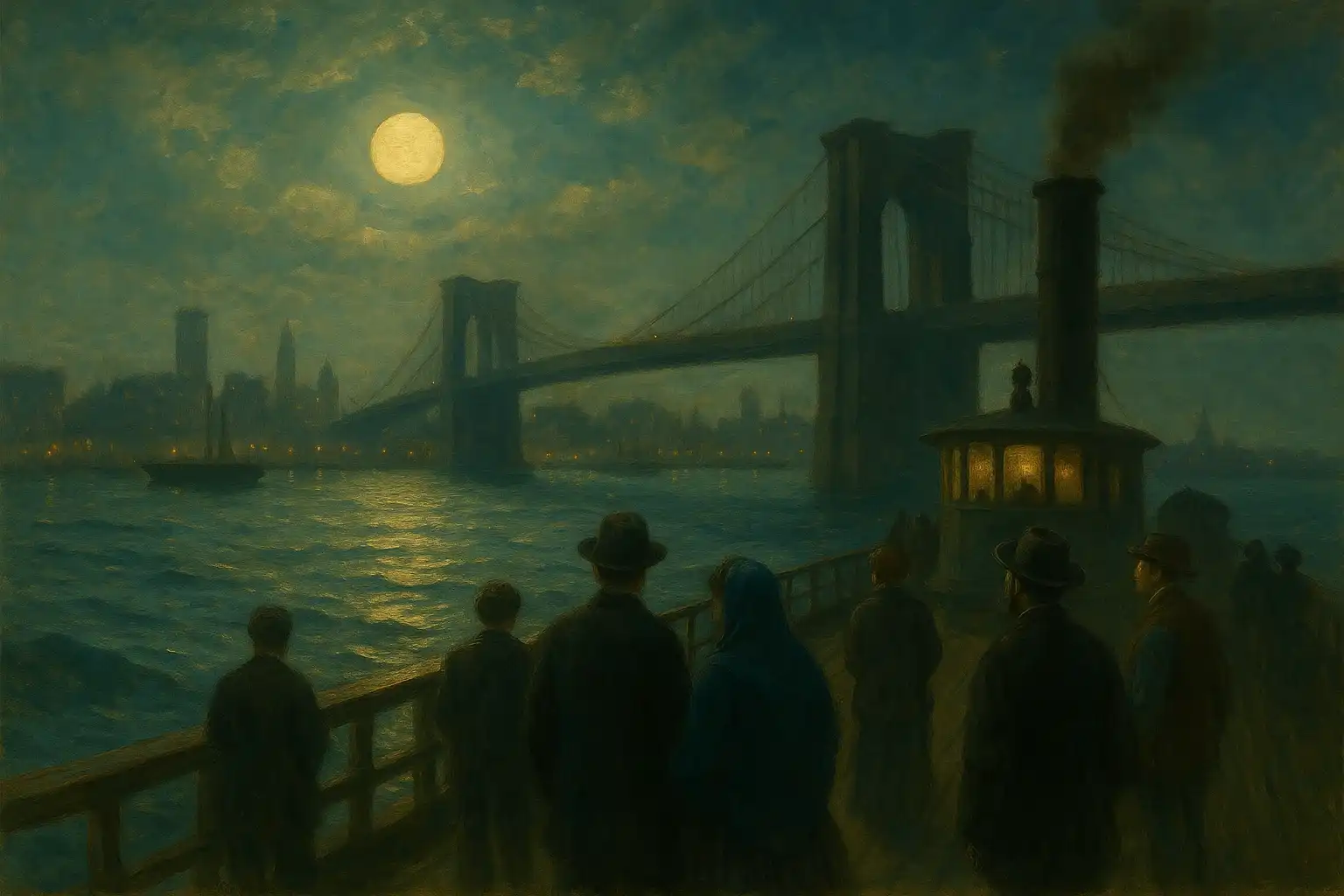
“Crossing Brooklyn Ferry” might be the most intimate conversation Walt Whitman ever had with people he knew he’d never meet. Published in 1856, the poem starts with something completely ordinary: his daily commute across the East River between Brooklyn and Manhattan. But somewhere between boarding the ferry and reaching the other shore, Whitman realizes he’s … Read more